

Who looks outside, dreams; who looks inside, awakes." - Carl Jung
How to Choose the Best Guided Journal for Self-Reflection and Personal Growth
Not all journals are created equal. Here's what to look for in a guided journal that will help you understand yourself, gain clarity and live more intentionally.
Journaling has become one of the most popular practices for mindfulness, self-care and personal growth. And for good reason. Taking time to put your thoughts on paper can help you process emotions, gain perspective and better understand yourself. But with so many journals available, from gratitude journals and daily planners to mindfulness and personal growth journals, how do you choose the right one?
The best guided journal isn't necessarily the one with the most prompts or the most elaborate format. It's the one that makes the most sense for you. It should encourage meaningful reflection and make it easy enough to keep coming back to.
Whether you're new to journaling or looking to deepen an existing practice, here's what to consider.
1. Look for a journal that asks better questions
One of the biggest challenges people face when starting a journaling practice is simply knowing what to write. A blank notebook offers endless possibilities, but it can also feel overwhelming. That's where guided journals make a difference. Rather than expecting you to come up with something to write about, a guided journal provides thoughtful questions that help you explore your thoughts, experiences and aspirations.
The quality of those questions matters. While prompts like "What are you grateful for today?" can be valuable, deeper questions can help you recognize patterns and reconsider assumptions. For example:
- When was the last time you felt most alive?
- What loss has shaped you the most?
- What is one promise you keep breaking to yourself?
The best journal prompts don't tell you what to think. They help you discover what you already know but haven't made the time to explore.
2. Choose a journal that looks at your life holistically
Many journals focus on a single aspect of personal development. Gratitude journals encourage appreciation. Productivity journals help you organize goals and tasks. Wellness journals often focus on habit tracking, mood or physical health. Each can serve a valuable purpose. But our lives don't exist in separate compartments.
Our relationships influence our happiness. Our health affects our energy. Our finances shape our choices. Our sense of purpose influences how we spend our time. That's why a holistic approach to journaling can be particularly meaningful. A journal that encourages you to reflect across different areas of your life can help you see the bigger picture, recognize what's working and identify where you may want to make changes.
Often, living well isn't about excelling in one area of life while overlooking everything else. It's about understanding what matters most to you and never losing sight of the bigger picture.
3. Find a journaling format that fits your lifestyle
One of the most common misconceptions about journaling is that you need to write every day to benefit from it. While daily journaling works beautifully for some people, it can feel like another obligation for others. When a wellness practice starts to feel like something else on your to-do list, it's easy to abandon it.
If you're balancing a demanding career, family responsibilities or a busy schedule, a weekly or monthly guided journal may be a better fit. A monthly format gives you the opportunity to pause and reflect more deeply without requiring a daily commitment. The key is consistency over perfection. The best journaling practice is one that fits into your life, rather than one you have to rearrange your life to maintain.
4. Look for a journal that encourages self-awareness, not just productivity
We're surrounded by tools designed to help us become more efficient. We track our habits, measure our progress, set ambitious goals and look for ways to optimize nearly every aspect of our lives. Personal growth doesn't always have to be about doing more or becoming better. It could just be about understanding why we're doing what we're doing in the first place.
Are the goals you're pursuing genuinely meaningful to you? Are your daily choices aligned with your values? Are you making time for the experiences and relationships that bring you joy?
A good self-reflection journal creates space to explore these questions without judgement. It encourages you to examine your life with curiosity rather than treating yourself as another project that needs improving. Greater self-awareness can lead to more intentional choices, and those choices can gradually change the way you experience your life.
5. Choose something you'll want to return to
The physical experience of journaling matters more than we sometimes realize.
In a world where so much of our attention is directed towards screens, putting pen to paper offers a welcome change of pace. There's something grounding about opening a beautifully designed journal, turning its pages and giving yourself uninterrupted time to think.
Unlike digital tools that compete for your attention, a physical journal creates a dedicated space for your thoughts. Look for a journal that feels inviting, is easy to navigate and offers enough structure to guide you without making the experience feel restrictive.
If you're someone who prefers flexibility, an undated journal can be especially helpful. You can begin whenever you're ready, take a break when life gets busy and return without feeling like you've fallen behind.
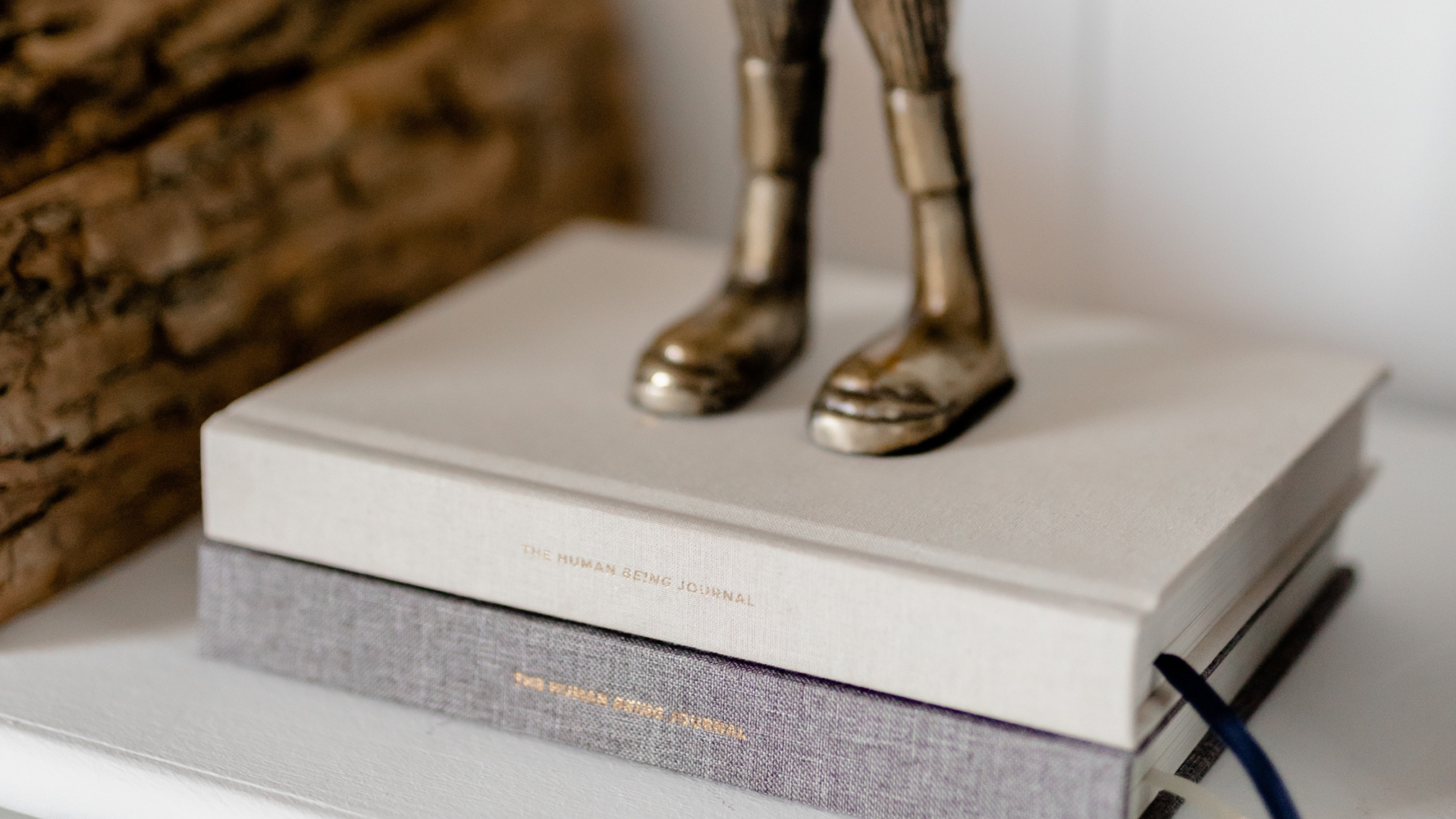
Meet The Human Being Journal: A Guided Journal for Living More Intentionally
At Mahara Mindfulness, we created The Human Being Journal around a simple belief: You are your wisest guide.
In a world where information and advice are available at our fingertips, we believe some of the most important answers are the ones we discover through understanding ourselves.
Featured in The New York Times, Oprah Daily and Forbes, The Human Being Journal is a beautifully designed, 12-month, undated, guided journal that helps you move beyond the surface of everyday life and explore what truly matters to you. Through thought-provoking prompts, you'll reflect on different areas of your life, including your health, relationships, finances, creativity, spirit and more.
Unlike a traditional daily journal, its simple monthly format makes meaningful self-reflection approachable and sustainable. It's also undated, so you can begin at any time and move through it at your own pace.
Whether you're starting your first journaling practice or looking for a more intentional way to reflect, The Human Being Journal provides the structure and space to get to know yourself more deeply.
Is a guided journal worth it?
If you've ever bought a beautiful notebook with every intention of journaling, only to leave most of its pages blank, you're not alone. The value of a guided journal lies in removing one of the biggest barriers to reflection: knowing where to begin.
Thoughtful prompts give you a starting point. A clear structure makes the practice approachable. Returning to your reflections over time allows you to see how your thoughts, priorities and perspectives have evolved. Research has explored the potential benefits of expressive writing for emotional processing and well-being, although results vary and journaling isn't a substitute for professional mental health care. You don't need to be a good writer, have profound insights or know exactly what you're looking for. You simply need to be willing to get curious about yourself.
The most important relationship you'll ever have is the one you have with yourself
We spend so much of our lives learning about the world around us. We invest in our education, careers, relationships and personal development. We seek advice from experts, listen to podcasts, read books and increasingly turn to artificial intelligence for answers. But how often do we make time to understand the person experiencing it all?
Self-reflection gives us the opportunity to examine our lives rather than simply move through them. To recognize what matters, appreciate what we have, acknowledge what needs to change and make more conscious decisions about what comes next. That may be one of the most valuable investments we can make.
Ready to begin?
Discover The Human Being Journal and make space for the questions only you can answer.
You are your wisest guide.
____
This article was written by the founders of Mahara Mindfulness, creators of The Human Being Journal and Deep Dive Reflection Cards. For over six years, Mahara has helped thousands of people build greater self-awareness through scientifically proven evidence-informed reflection tools.